
IAAPA Expo 2026 · European exhibitor guide
Exhibiting at IAAPA Expo 2026 in Orlando: The European Exhibitor's Checklist
IAAPA Expo 2026 runs November 16-20, 2026 at the Orange County Convention Center in Orlando, with the trade show floor open November 17-20. This checklist covers the U.S. show-floor decisions European exhibitors need to make early.
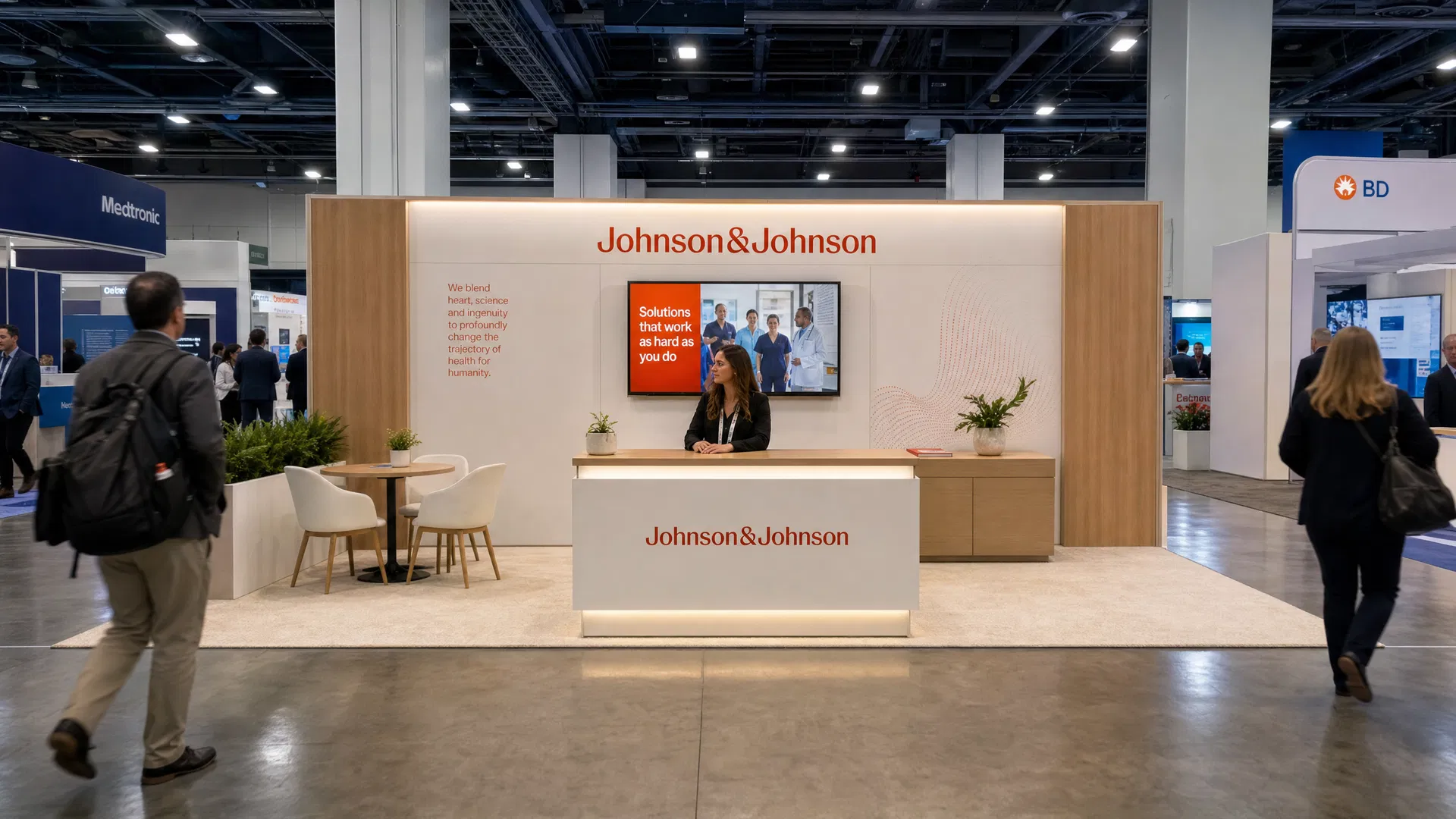
IAAPA Expo 2026 runs November 16-20, 2026 at the Orange County Convention Center in Orlando, with the trade show floor open November 17-20. For the global attractions industry it is the show of the year, and for European manufacturers — ride builders, water park suppliers, ticketing and access-control companies, FEC operators, animatronics and theming studios — it is frequently the first American stand they ever take.
It is also the show where European exhibitors most often discover that the American trade show floor runs on rules their home market does not have. This is the checklist we give EU clients, in the order the decisions actually have to be made.
1. Decide now whether you are shipping a stand or building one here
This decision drives everything after it, and it has a deadline much earlier than most exhibitors assume. Ocean freight from Northern Europe to Florida needs to leave with weeks of margin against a show date that cannot move. Air freight removes the time risk and replaces it with cost. Once the crates land, US customs entry has to be filed correctly, and then every kilogram is handled by the show's general contractor and billed as drayage, inbound and outbound.
Building the stand in Orlando removes the Atlantic crossing from the equation entirely. Your product still travels; the structure does not. For most mid-size stands that comparison is not close once crew flights, hotel nights across move-in and move-out, and the repair risk on a damaged panel are counted.
2. Convert your stand size properly
IAAPA booth space is sold in feet. A 3x3 metre stand is not a 10x10, and a 6x6 metre island is not a 20x20. Designing to metric and hoping it fits is how exhibitors end up with a back wall that does not reach the boundary or a structure that overhangs into an aisle. Work in the footprint you actually bought: 10x10, 10x20, 20x20, 20x30, 30x30, 30x40.
3. Solve electrical before you solve design
US show power is 110-120V at 60Hz. European lighting, screens, motors and demo equipment need either US-specification replacements or correctly rated transformers, and transformers are heavy and hot. More importantly, power at the OCCC is ordered through the venue's electrical contractor and dropped at a specified point under your booth — so the floor plan has to be final earlier than European practice expects. Moving a floor drop after flooring is installed is expensive and slow.
4. Understand drayage, because it is a real number
Drayage is the charge for moving your freight from the dock to your space and back, billed by weight. There is no direct equivalent at most European fairs, and it is routinely one of the largest unbudgeted line items on a first US show. Lighter local freight means a smaller drayage bill. It really is that direct.
5. Plan labour, not just installation
Who may touch what on a US show floor is governed by labour agreements that vary by city, venue and show. There are tasks your own staff may not perform, whatever their skills. Orlando is generally more flexible than Chicago or New York, but the rules exist and they are enforced. Book supervised installation and dismantle rather than assuming your team will handle it.
6. File hanging sign and rigging paperwork early
In a West Building hall at the OCCC, overhead identity is not decoration — from the middle of a long hall a booth without vertical or overhead structure is effectively invisible past about forty feet. But a hanging sign needs a rigging order and engineering drawings filed ahead of the show's deadline. Decide in the design phase, not in October.
7. Get your carnet and customs paperwork sorted for product, not for structure
An ATA Carnet covers temporary import of professional equipment and product samples for many exhibitors and avoids paying duty on goods that are returning home. Consumables and giveaway stock generally are not covered. Misclassification delays shipments, and a delayed shipment during IAAPA week is a delay you will not recover from. The less that has to cross a border, the smaller this risk.
8. Design for the aisle, then for the meeting
IAAPA floors are busy and the attractions industry is visual. The stand has to say what you make from sixty feet, then give a buyer somewhere quiet to sit down. On a 20x20 that usually means overhead structure plus LED Totems at the corners so content can change through the week without reprinting anything. On a 30x30 or larger it means a genuine meeting area with a door or a screen between it and the aisle.
9. Book fabrication capacity before autumn
Orlando fabrication capacity tightens sharply across October and November because IAAPA is not the only show in town that month. A design locked in summer gets built calmly. A design locked in late October gets built, but with fewer options.
10. Have someone local for show week
Whatever else you plan, plan for the thing that goes wrong. A panel arrives scuffed, a graphic has last year's product name on it, a screen fails on Tuesday morning. If your builder is in another country, that is a lost day. If your builder fabricates and prints in Orlando, it is a phone call and a van.
Exhibiting at IAAPA Expo 2026?
Nordic Precision Exhibits builds and rents trade show exhibits in Orlando from a 30,000 square foot facility, with large-format graphics printed in-house through Factory of Graphics and turnkey installation and dismantle by our own supervised crew. We are backed by Exhibit Experience, twenty-five years in the exhibit business, with 30,000 square foot facilities in Orlando and Las Vegas. Send us your IAAPA booth number and footprint and we will come back with a free 3D rendering.
Curated exhibit references
Explore exhibit directions by footprint
NPE 10 x 20 Orlando Expo Booth Rental 01
10x20 · Inline
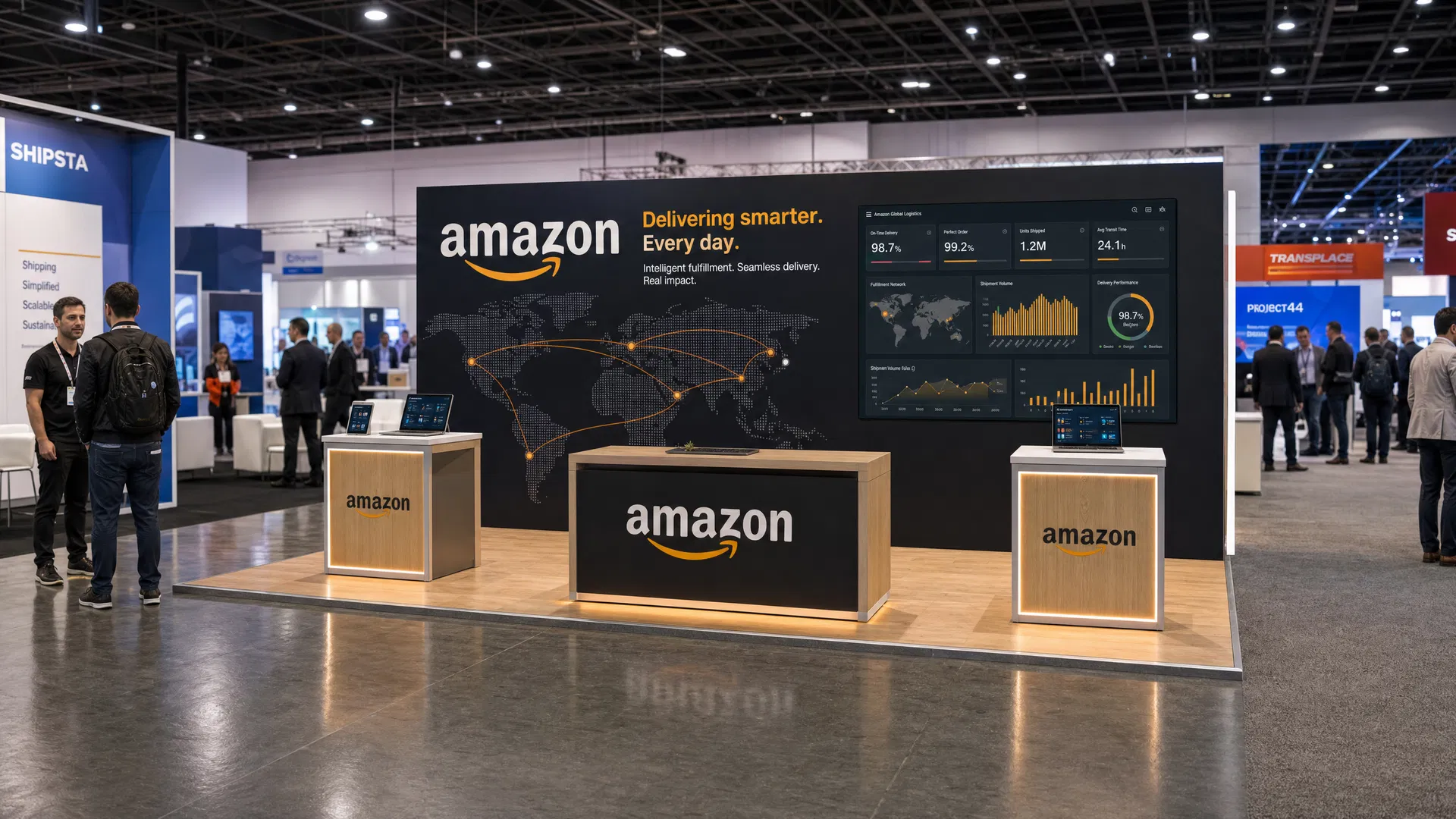
NPE 10 x 20 FIME Miami Exhibit Rental 02
10x20 · Inline
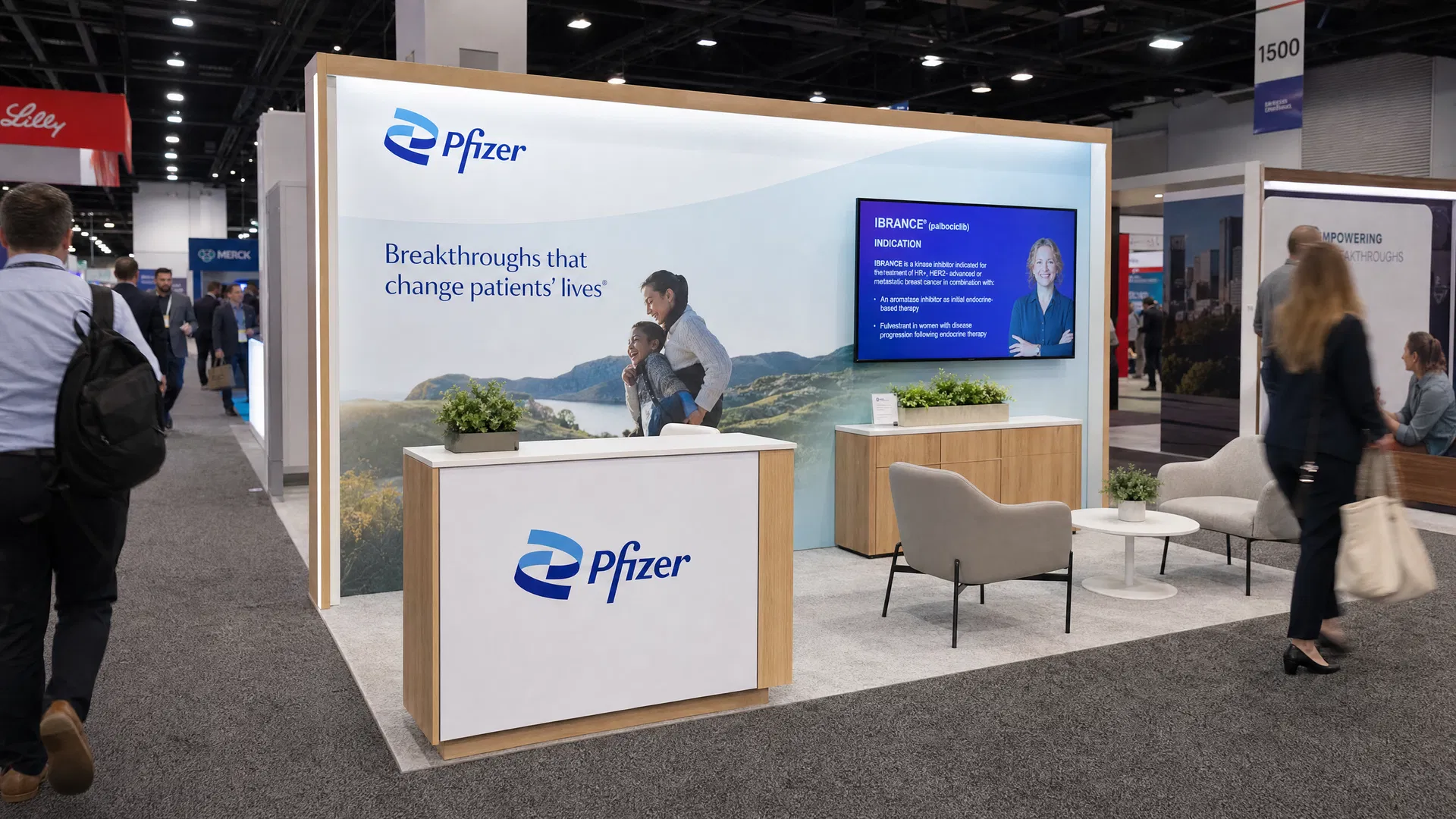
NPE 10 x 20 Miami Beach Convention Exhibit 03
10x20 · Inline
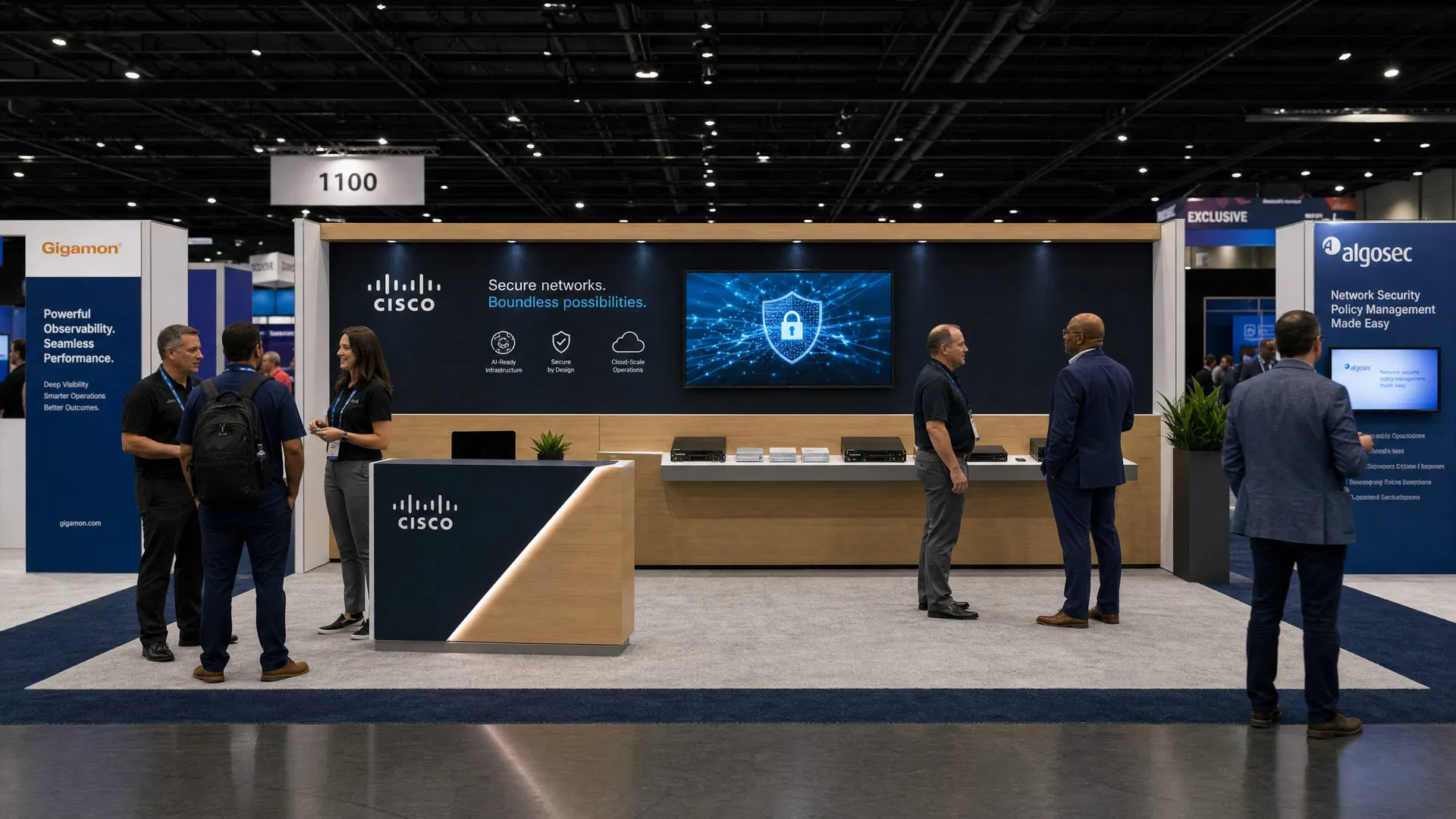
NPE 10 x 20 WHX Miami Exhibit Rental 04
10x20 · Inline

NPE 10 x 20 Miami Trade Show Exhibit 05
10x20 · Inline
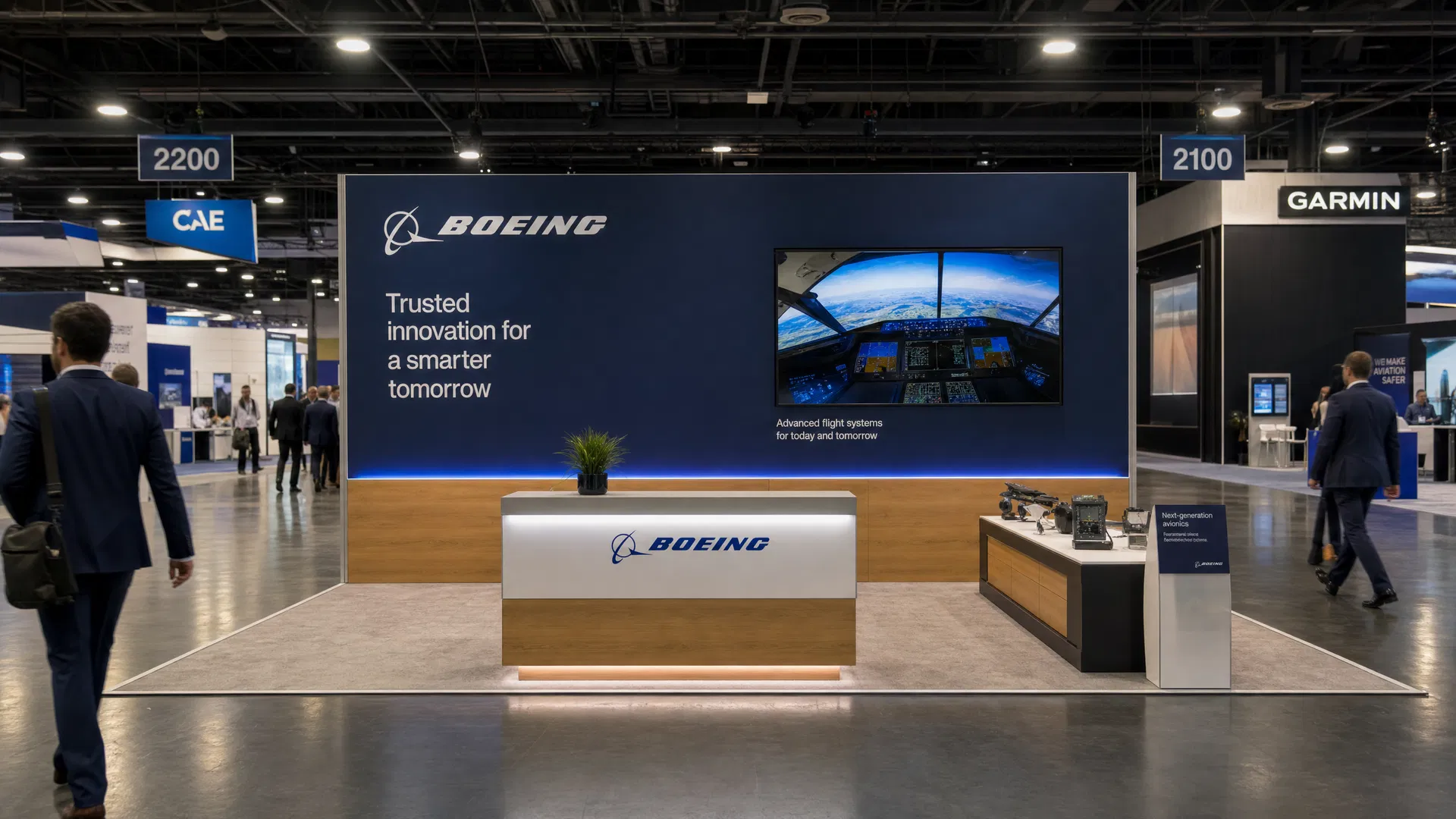
NPE 10 x 20 Fort Lauderdale Trade Show Exhibit 06
10x20 · Inline
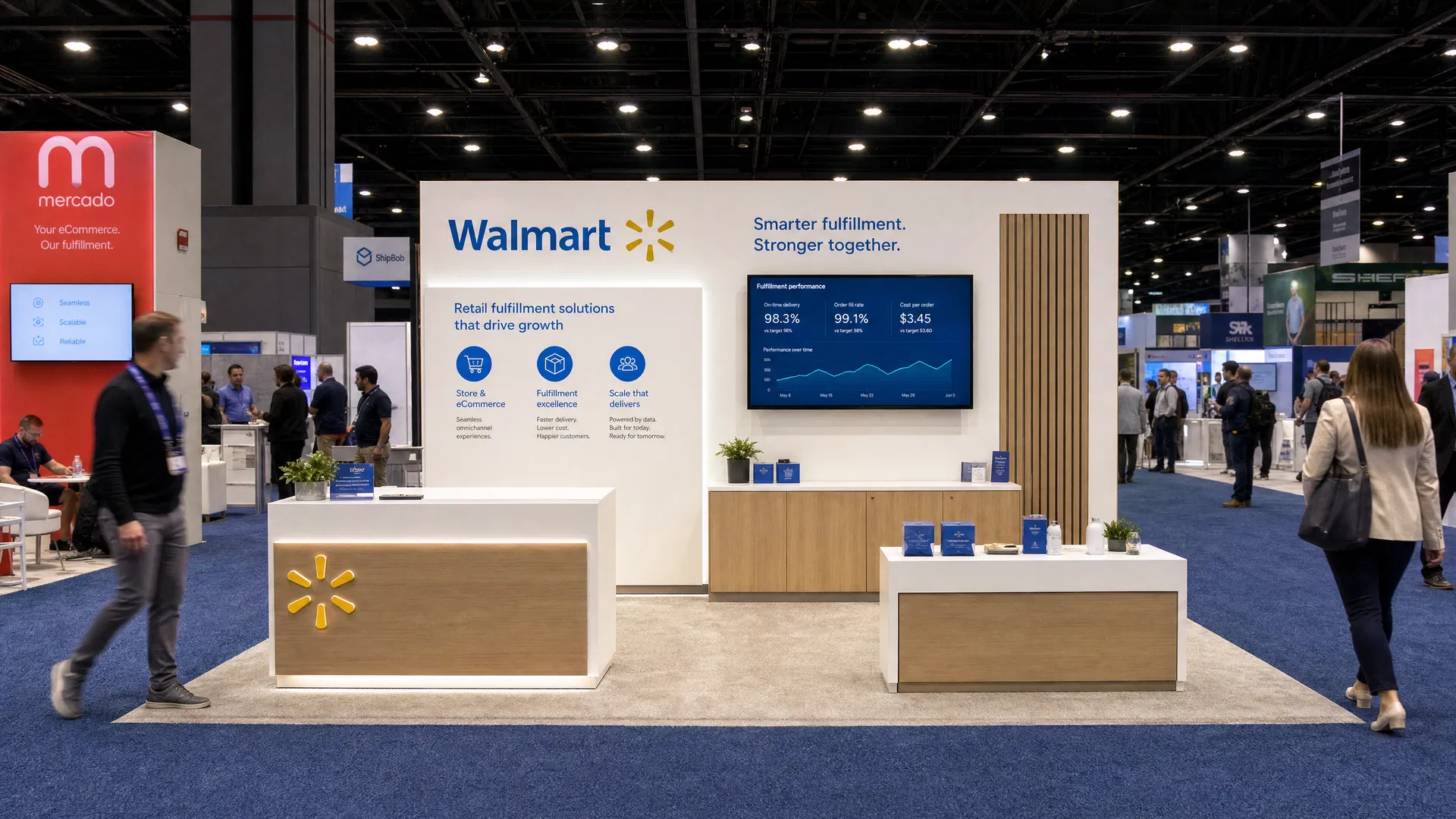
NPE 10 x 20 Fort Lauderdale Convention Exhibit 07
10x20 · Inline
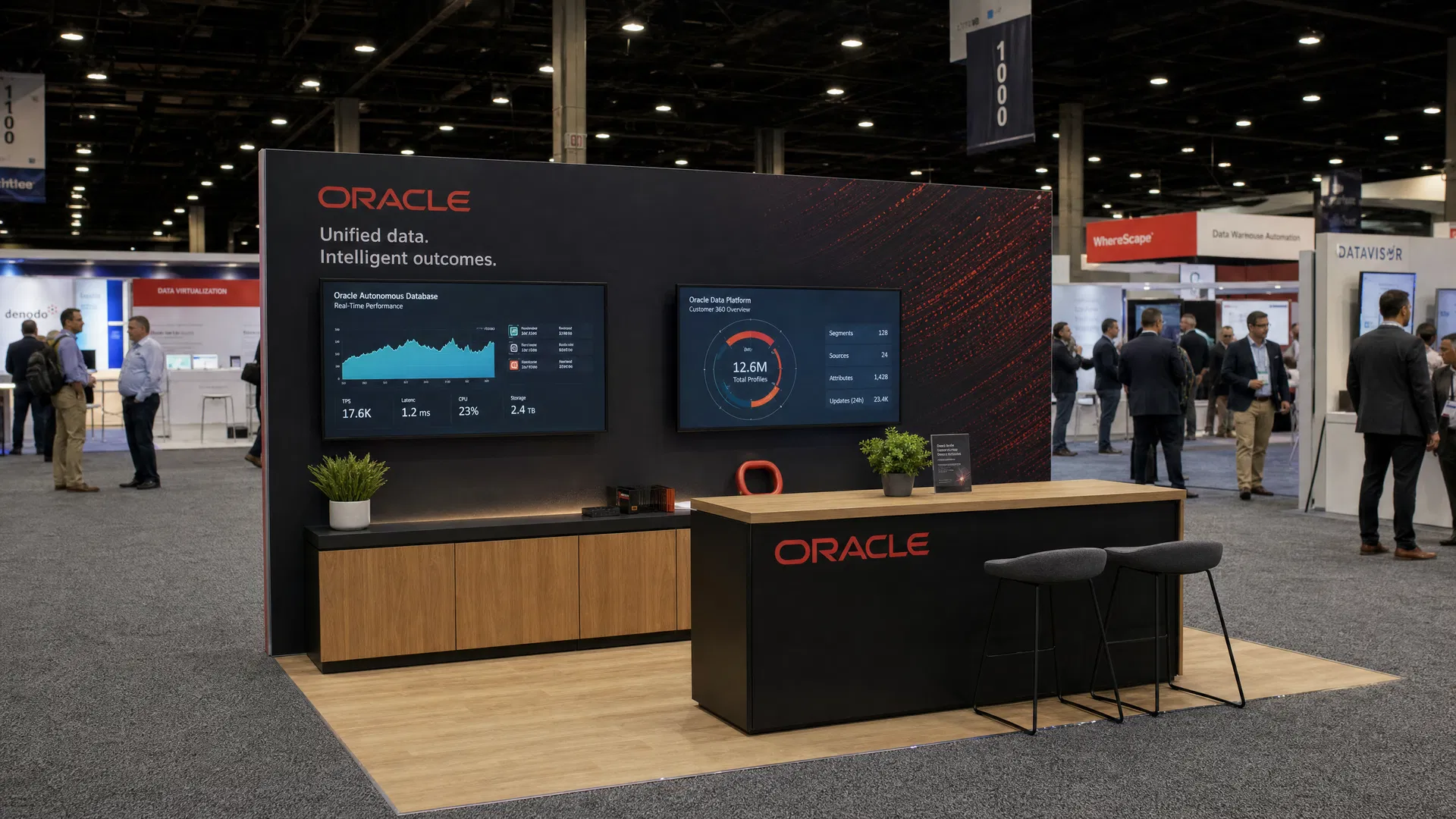
10x20 Orlando Trade Show Exhibit Rental
10x20 · Inline